


Resolve to improve

What I really enjoy about any kind of break from the usual routine – holidays, festivities, even work travel – is that is gives us some headspace away from the day-to-day to think. Traditionally January is all about resolutions and, quite often, deluding ourselves that this is going to be THE year, making ourselves all kinds of grandiose and largely untenable promises. So how about looking for things to improve and develop, instead of embarking on wholesale change?
Some of the most effective and realistic intentions come from building on solid foundations that you already have in place. Starting again, unless you are truly in a hole, wastes the journey you’ve made so far. Why scrap something that can be honed, cultivated and made exciting? Progress isn’t always about starting again. Often, it’s about refining, adjusting and enhancing what already works.
Small refinements can make a big difference
When something is already good, it can be tempting to leave it alone. But ‘good’ doesn’t have to mean ‘finished’. Ask yourself a few simple questions: What’s working well? How can I offer the most value? What feedback keeps coming up? What niggles can I address? The answers might highlight opportunities to make meaningful improvements without overhauling everything.
This approach is behind the recent changes to day 3 of our three-day endodontics course. The core structure and teaching are great, but by reviewing outcomes and listening carefully to feedback, day 3 has been refined to be even more effective as we take delegates into a clinical setting for the day, observing live treatments and putting learning into action. The result is an experience that means that delegates can consolidate skills and build confidence they can take straight back into practice.
Improvements aren’t limited to January
While this reflective mindset often surfaces at the start of a new year or after the summer, it’s something that can – and should – happen all year round. Continuous improvement doesn’t rely on a calendar date although scheduling periodic reviews is a good idea. There is always room to ask how something can work better for you, your colleagues and your patients.
This applies just as much to personal training and development. There’s real value in strengthening areas where you already have momentum. Skills you enjoy, techniques you use regularly or learning methods that suit you are often the best places to invest further time and energy.
Don’t settle just because it’s good
There’s a difference between being satisfied and becoming complacent. Being proud of what you do well is important, but so is staying curious. The most successful clinicians and educators are those who continue to evolve, even when things are going smoothly.
Choosing to improve something that already works isn’t about finding fault. It’s about recognising potential. It’s a mindset that says “This is strong – how can it be even stronger?”
Moving forward with confidence
As you look ahead, consider where you already have solid foundations, whether in your clinical practice or your own development. Small, thoughtful improvements are often the most sustainable and impactful.
By building on what’s already working, you give yourself the best chance of real progress – without pressure, without compromise, and with results that last. For regular readers, you’ll know this is all based on my love of Kaizen Theory – the pursuit of improvements by small, incremental changes – and January is as good a time as any to start.
About the author:
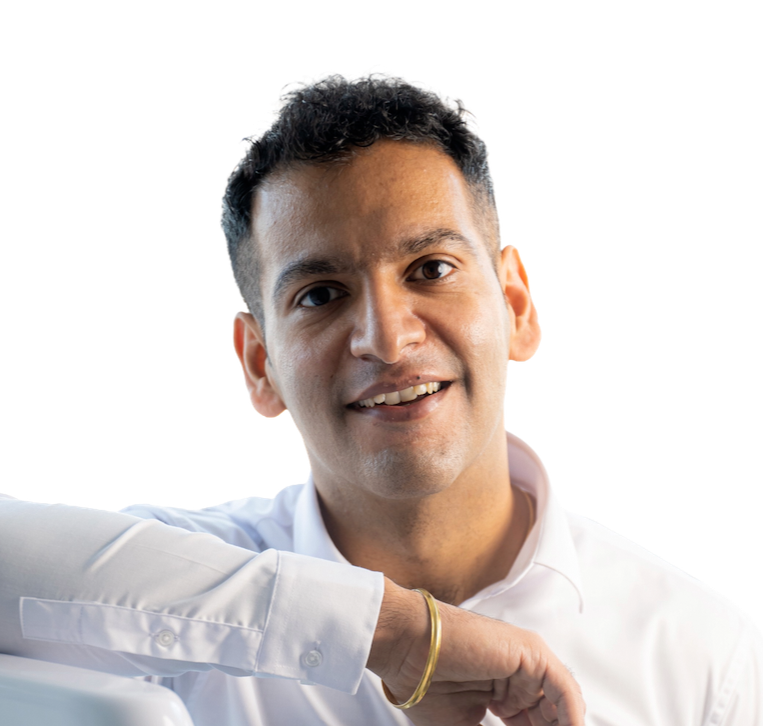
Dr Dhiraj AroraBDS MJDF RCS (Eng) MSc (Endo) PG Cert CEOwner of evo endo with three practices (limited to endodontics) in Twickenham, Gerrard’s Cross and Slough.
He is a passionate teacher and ambassador for all things endo.
Follow him on Instagram: @drdij_evoendo
About this article:
It first appeared in The Probe magazine in January 2026


